
Summary:
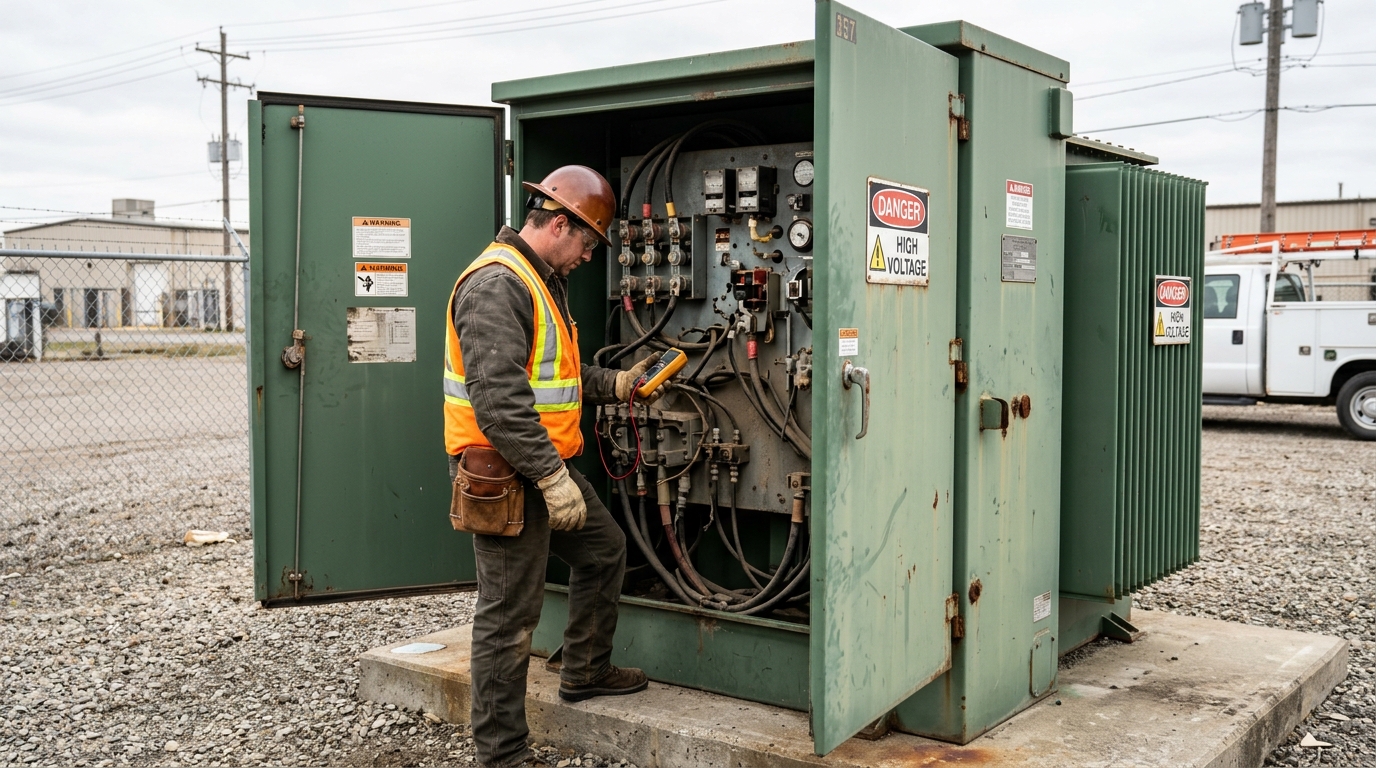
Transformer failures can result from insulation aging, moisture contamination, overloading, overheating, electrical surges, mechanical issues, installation defects, and inadequate maintenance. Effective diagnosis combines visual and thermal inspections with dissolved gas analysis, insulation testing, power quality monitoring, and load checks to identify developing problems early and reduce the risk of costly outages.
Everything at your facility seems to be operating smoothly until, suddenly, the power cuts out. No warning signs, no gradual decline, just a dead line and a frantic search for the cause. Transformer failures rarely give advance notice, which is why understanding their failure causes and diagnosis methods is so crucial. If you oversee electrical equipment in a commercial building, industrial plant, or utility system, recognizing the warning signs can save you significant downtime and reduce stress.
In this guide, we will walk through the most common reasons transformers break down, how technicians pinpoint the source of the problem, and what steps you can take once you suspect trouble. Let’s get into it.
Why Transformers Fail in the First Place
Transformers are workhorses. Built with no moving parts and a relatively simple design, they are meant to run reliably for decades. So why do they fail at all? The honest answer is that failure is rarely caused by one dramatic event. More often, it results from small stresses that build up quietly over months or years until something finally gives.
Let’s break down the most common causes, one at a time.
1. Insulation Breakdown and Aging
Every transformer relies on layers of paper and oil insulation to keep its windings safely separated. Over time, heat and normal wear cause that insulation to dry out and lose strength. Once the dielectric strength drops far enough, an internal arc can develop and take the unit out in a matter of seconds. This is one of the most frequently cited causes of transformer failure because aging insulation rarely shows obvious symptoms until it is too late.
Age is also not measured in calendar years alone. A transformer running a constant, high-load cycle can age several times faster than one operating on a lighter, part-time schedule.
2. Moisture and Oil Contamination
Water is one of the biggest threats to any oil-filled transformer. It typically enters through a cracked seal, a worn gasket, or a poorly maintained breather system. Once moisture enters the oil, it reduces the fluid’s ability to insulate and cool the unit properly. Left unchecked, this contamination accelerates aging and can lead to a full breakdown of the insulation system.
Small leaks are easy to overlook, but they rarely stay small. A minor drip today can turn into a serious moisture problem within a year or two if nobody catches it.
3. Overloading and Overheating
Push a transformer past its rated capacity, and its internal temperature climbs fast. That extra heat ages the paper insulation far quicker than the manufacturer ever intended. A unit rated to last four decades might struggle to make it past ten years if it is regularly asked to carry more than it should.
Overheating does not always come from load alone. Blocked radiators, failed cooling fans, and poor ventilation around the unit can all cause temperatures to spike even when the load itself looks normal on paper.
4. Electrical Faults, Surges, and Lightning
Switching surges, short circuits, and lightning strikes hit a transformer with voltage it was never designed to absorb. These events are far less common than aging or moisture damage, but when they happen, the results tend to be sudden and severe. A single transient event can instantly and permanently damage windings, bushings, or terminals.
5. Mechanical Wear and Loose Connections
Transformers are sturdy, but they are not immune to physical stress. Vibration from nearby equipment, rough handling during shipping, or a poor installation can loosen connections or shift internal components over time. Tap changers are especially prone to this kind of wear since they move under load, unlike most of the rest of the unit.
6. Manufacturing and Installation Defects
Occasionally, a transformer is set up to fail before it ever gets energized. A poorly wound coil, a weak weld, or substandard materials during construction can seed a problem that stays hidden until the unit is put into service. These defects are frustrating precisely because they tend to surface early, often right when a project is just getting off the ground.
7. Neglected Maintenance
Finally, and perhaps most preventably, plenty of failures come down to simple neglect. Oil that never gets tested, connections that never get checked, and substations that sit overgrown with vegetation all create the conditions for a bigger failure down the road. Transformers don’t need constant attention, but they aren’t maintenance-free either.
If your team sources testing equipment, protective devices, or replacement components for jobs like these, a trusted supplier and electrical control distributors such as EDC can make it easier to have the right parts on hand before a small issue turns into an expensive outage. Having dependable access to quality equipment is often the difference between a quick fix and an extended shutdown.
How Transformer Diagnosis Works
Once a problem is suspected, the next step is figuring out exactly what is going on inside the unit. Transformer diagnosis relies on a mix of physical inspection, laboratory testing, and electrical measurement. No single test tells the whole story, so technicians typically layer several methods together.
Visual and Thermal Inspection
The simplest starting point is a walk-around inspection. Technicians look for visible oil leaks, rust, corrosion, discoloration, and any signs of overheating around bushings and connections. A thermal imaging camera adds another layer by revealing hot spots not visible to the naked eye, such as a loose connection quietly overheating a single phase.
Dissolved Gas Analysis
Dissolved gas analysis, often shortened to DGA, is one of the most valuable tools for understanding what is happening inside an oil-filled transformer. As insulation and oil break down under heat or electrical stress, they release specific gases into the fluid. By analyzing the type and concentration of those gases, technicians can tell whether they are dealing with overheating, arcing, or partial discharge, often well before the unit shows any outward symptoms.
Insulation Resistance and Power Factor Testing
These tests measure how effectively the insulation is still doing its job. Insulation resistance testing checks how well the material resists current leakage, while power factor testing evaluates insulation quality by measuring energy loss. A declining trend in either test is usually a clear sign that insulation is aging faster than it should.
Power Quality Analysis
Not every transformer problem originates inside the unit itself. Loose connections, harmonic distortion, phase unbalance, and overloading can all show up as power quality issues long before a catastrophic failure occurs. Logging voltage, current, and load data over time with a power quality analyzer helps establish a baseline, which makes it much easier to spot when something drifts outside normal limits.
Common Symptoms and What They Usually Point To
| Symptom Observed | Likely Underlying Issue | Recommended Diagnostic Step |
| Excessive humming or buzzing | Loose connections or core vibration. | Thermal imaging and visual inspection. |
| Oil leaks or low oil level | Gasket or seal failure, moisture ingress. | Oil sampling and DGA. |
| Unusually high operating temperature | Overloading or blocked cooling. | Load review and thermal inspection. |
| Declining insulation resistance readings | Aging or contaminated insulation. | Insulation resistance and power factor testing. |
| Frequent nuisance tripping | Internal fault or unbalance. | Power quality analysis. |
Electrical Transformer Troubleshooting: What to Do When Something Seems Off
If you suspect a transformer is starting to struggle, a methodical approach to electrical transformer troubleshooting saves both time and money. Here is a general sequence worth following:
- Record baseline nameplate data, including voltage, current, and kVA rating, before doing anything else.
- Visually inspect for leaks, corrosion, discoloration, or physical damage.
- Compare current load readings against the nameplate rating to rule out overloading.
- Take an oil sample for dissolved gas analysis if the unit is oil-filled.
- Run insulation resistance and power factor tests to check insulation condition.
- Use a thermal camera to check for hot spots at terminations and connections.
- Document every reading so future tests can be compared against a clear baseline.
Skipping steps might save a few minutes now, but it usually costs more time later when a root cause gets missed.
Keeping Failure Rates Down
Prevention will always be cheaper than repair. A few habits go a long way toward extending the service life of any transformer:
- Schedule annual oil testing and visual inspections rather than waiting for a problem to appear.
- Keep vegetation and debris clear of substations and outdoor units.
- Monitor load against nameplate capacity regularly.
- Address small leaks and loose connections as soon as you notice them.
- Install surge protection where lightning exposure is a realistic concern.
None of these steps require exotic equipment or specialized training. They simply require consistency.
FAQs
1. How Long Does A Transformer Typically Last Before Failure Becomes A Concern?
Many transformers are designed to operate for several decades under normal conditions. Actual lifespan depends heavily on load history, maintenance habits, and environmental exposure, not age alone.
2. Can A Failing Transformer Be Repaired, Or Does It Always Need Replacement?
It depends on the extent of the damage. Issues like loose connections or contaminated oil can often be corrected, while severe insulation breakdown or internal arcing usually calls for replacement.
3. What Is The Earliest Warning Sign Of A Transformer Problem?
Unusual noise, such as excessive humming or buzzing, along with rising operating temperature, are often among the first signs technicians notice during routine transformer diagnosis.
4. How Often Should Dissolved Gas Analysis Be Performed?
For most oil-filled transformers, annual testing is a common baseline, though units under heavier load or operating in harsher environments may benefit from more frequent sampling.
5. Is Electrical Transformer Troubleshooting Something A Facility Team Can Do In-House?
Basic visual inspections and load checks can often be handled internally, but tasks like insulation resistance testing, power factor testing, and dissolved gas analysis typically require trained technicians with the right equipment.
Final Thoughts
Transformer failure is rarely sudden when you look closely at the full picture. It is almost always the end result of a slow buildup of heat, moisture, mechanical stress, or neglect. Understanding the common transformer failure causes gives you a real head start, and knowing how transformer diagnosis works means problems can be caught while they are still manageable rather than after the lights go out.
If your team needs dependable testing equipment, protective devices, or replacement parts to support ongoing maintenance, EDC is a solid resource for your proactive maintenance plan. A little preparation today goes a long way toward avoiding an unplanned outage tomorrow!
