
Summary:
Most homes benefit from whole-house surge protection. A surge protective device at the main panel diverts excess voltage to ground before it reaches wiring and appliances. Most surges start inside the home, and the National Electrical Code now requires this protection at the service entrance. Plug-in strips can help protect sensitive electronics but can’t protect the whole house on their own.
Whole-house surge protection helps protect your home’s electrical equipment from sudden voltage surges that can damage sensitive electronics and appliances. Surges may occur during lightning storms, utility grid switching, or when large appliances cycle on and off. Without suitable protection, these voltage fluctuations can affect televisions, computers, routers, HVAC systems, and other connected equipment.
A whole-home surge protective device mounts at the main electrical panel to limit excess voltage entering your home’s circuits. Understanding how it works, what it can protect, and where you may need extra protection helps you decide if it is a practical addition to your home’s electrical safety plan.
What Does a Whole-House Surge Protector Do?
A whole-house surge protector guards your home’s wiring and connected devices from sudden voltage spikes. The sections below explain where to install it, which types exist, and what the code says.
Protection at the Main Panel
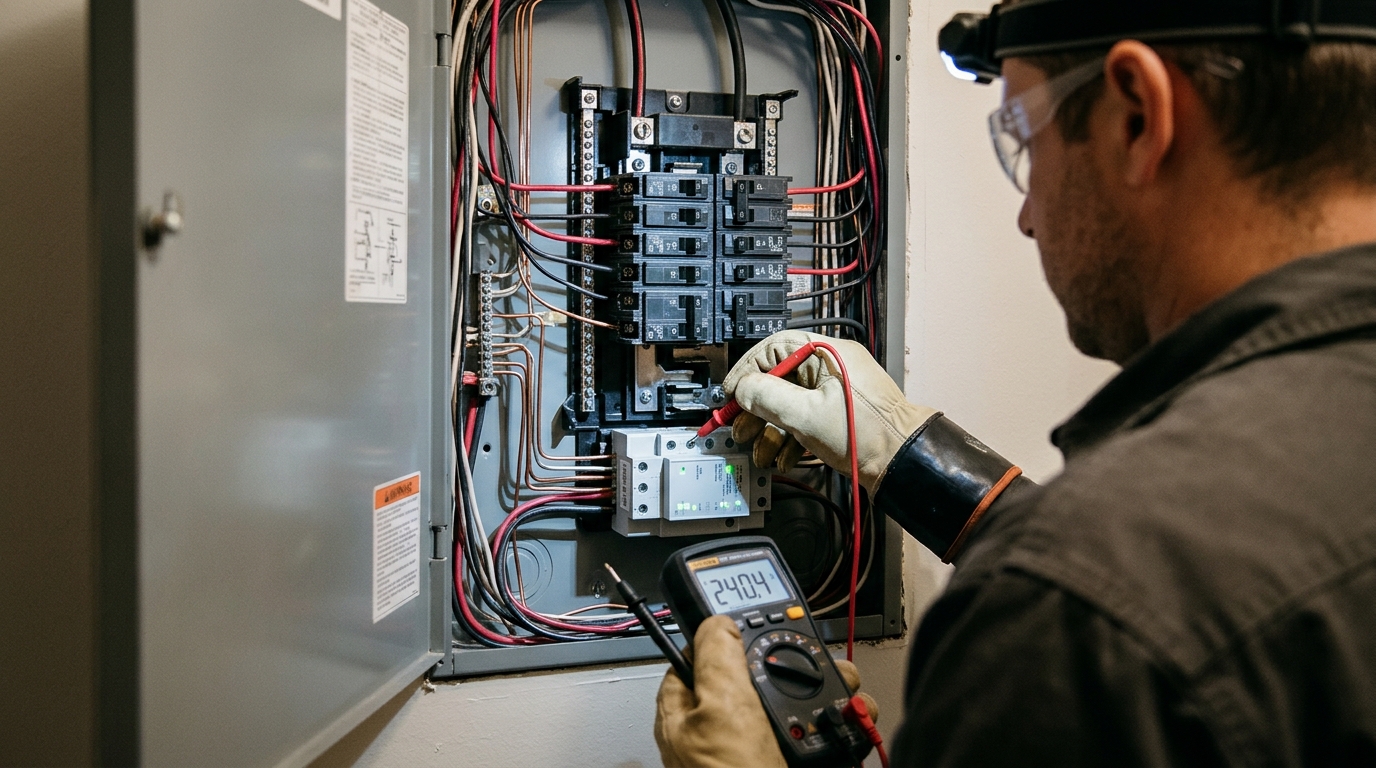
A whole-house surge protector, also called a surge protective device (SPD), mounts at the main electrical panel or another permitted location in the electrical distribution system. It limits transient voltage and diverts surge current to help reduce the risk of damage to connected equipment.
Surge Protection Options Compared
The table below compares common surge-protection devices by installation location and protection scope. It shows why a panel device covers the whole system while a plug-in strip covers only what is plugged into it.
What the Code Says
The 2020 National Electrical Code requires a Type 1 or Type 2 surge protective device at all services supplying dwelling units, including when an existing service is replaced. Adoption varies by state, so ask your local building department which code edition applies where you live.
How Surge Arresters WorkInside Your Panel
Many surge protective devices use metal oxide varistors (MOVs), which have high resistance under normal operating conditions and become conductive when voltage exceeds a threshold. This response limits transient voltage and diverts surge current away from protected equipment. Repeated or severe surges can degrade protective components over time, although service life varies with the device’s design, rating, installation, and exposure to surges.
Check the device’s status indicator according to the manufacturer’s instructions, including after significant surge events. Some SPDs have indicators that signal when protection is no longer available. Proper installation and short, appropriately routed connecting conductors also affect protective performance, so a qualified electrician should handle the work.
What Are the Main Causes of Electrical Surges in Homes?
Electrical surges can originate inside or outside the home. The Electrical Safety Foundation International (ESFI) reports that approximately 60–80% of electrical surges come from sources within the home, such as appliances switching on and off. External sources include lightning, utility grid switching, and power-line disturbances:
- Air conditioner and refrigerator compressors cycling on and off
- Motor starts from tools and other equipment
- Power returning suddenly after an outage
- Damaged or faulty wiring
- Lightning strikes near power lines
- Utility switching on the grid
Most surges are too small to cause obvious failure, yet repeated events can slowly wear down electronics. That slow damage is easy to miss until a device stops working.
How Can You Start Protecting Home Appliances From Lightning Surges?
Lightning can send strong surges through utility lines and into your home, even when the strike lands nearby. A few smart habits and the right devices can lower the risk to your appliances and electronics.
Know What Protection Can and Cannot Do
Surge protection cannot guarantee safety from a direct lightning strike. When a severe storm approaches, unplug sensitive electronics if it is safe and follow local storm-safety guidance. A panel device handles the far more common indirect surge well, such as a nearby strike or utility switching.
Layer Your Protection
A panel-mounted SPD and properly rated plug-in surge protectors can provide complementary layers of protection. Choose plug-in devices according to the equipment they protect and the manufacturer’s specifications. Using both layers together creates a cascading protection strategy.
Storm Readiness Steps
- Unplug sensitive electronics before a storm arrives
- Check the protection status light after storms
- Ask your electrician to protect coaxial and phone lines that enter the home
For a complete surge protection setup, EDC supplies breakers, panel boards and fuses to support your home’s electrical system. Talk with your electrician about surge protection electrical services to choose the devices that suit your home’s needs!
Which Option Wins in Power Strip vs Whole-Home Surge Protection?
Both options provide different types of surge protection, and combining them can add coverage. A standard power strip does not necessarily include surge protection, so check its specifications before buying. A panel-mounted whole-home surge protector helps limit voltage spikes entering your home’s electrical system and limit surges entering household circuits.
For sensitive electronics, a properly rated plug-in surge protector can complement whole-home protection by adding another layer of defence. Follow the manufacturer’s instructions, monitor protection indicators, and replace devices when their protection expires, or they sustain damage.
Do You Need Whole-House Surge Protection for Your Home?
Modern homes rely on sensitive electronics, HVAC systems, EV chargers and solar equipment that sudden voltage spikes can damage. A whole-house surge protective device (SPD) limits transient overvoltage entering through the electrical service, adding an extra layer of protection for connected equipment.
● Check Your Existing Surge Protection
Some homes may already have a panel-mounted SPD, depending on your electrical system’s installation date and the electrical code your area adopted at the time. Check your main panel documentation or look for a labeled surge protective device near the electrical panel.
● Choose the Right Surge Protective Device
If your home lacks whole-house surge protection, ask a licensed electrician to assess your electrical service and recommend a suitable SPD. The device should be compatible with your system and fitted in line with the manufacturer’s guidelines and applicable electrical codes.
Frequently Asked Questions
1. Do I still need power strips after installing a whole-house device?
Yes, a whole-house surge protective device limits larger surges entering through your electrical service. A quality surge-protective power strip adds another layer of protection for sensitive electronics plugged into its outlets.
2. Will it stop a direct lightning strike?
No, a surge protector cannot guarantee protection against a direct lightning strike. It can help limit damage from many indirect surges caused by nearby lightning and utility switching.
3. Does electrical code require whole-house surge protection?
The 2020 National Electrical Code requires surge protection at dwelling-unit services. Local adoption and amendments vary, so check with your building department to confirm the rules that apply to your home.
4. How long does a whole-house surge protector last?
Its lifespan depends on the device, its rating, and the surges it absorbs over time. Check its status indicator according to the manufacturer’s instructions, and arrange replacement if it signals that the device no longer provides protection.
5. Can you install a whole-home surge protector without professional help?
Hire a licensed electrician for professional installation because the device connects to your electrical panel. Correct selection, placement, and wiring help ensure it operates as intended and complies with applicable electrical codes.
Conclusion
Whole-house surge protection can help reduce the risk of surge-related damage to household equipment. Most surges start inside your home, and a panel device covers every circuit. In the power strip vs whole-home surge protection discussion, layering wins, since plug-in strips add a second layer where electronics are most sensitive. Check your panel, ask about the code in your area, and have a licensed electrician handle the installation. A short conversation now can prevent a lot of stress later.
Address aging electrical wiring before it becomes a bigger concern. Discuss aluminum wiring replacement with a qualified electrician, and turn to EDC for the panel boards and safety switches you need for the upgrade!
